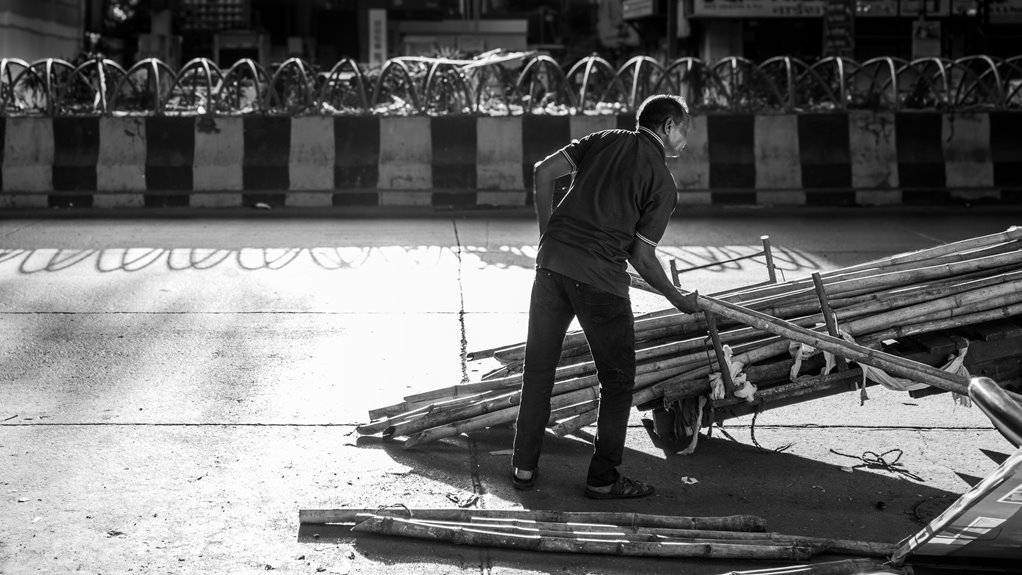
Ethics shape street photography by anchoring it in human dignity rather than spectacle. They codify consent, representation, and accountability, limiting harm and bias. Context matters; images without nuance can mislead or erode trust. Practical guidelines help practitioners balance artistic inquiry with restraint. The result is a field that respects subjects while maintaining curiosity about public life. Yet tensions remain, forcing a pause that invites further examination of how power and visibility are negotiated.
What Ethics Do in Street Photography
Ethics in street photography governs how photographers interact with public life, balancing artistic inquiry with respect for individuals’ privacy and dignity.
The practice operates within privacy norms that shape what may be captured and shared, while revealing power dynamics that influence who is observed and who observes.
Critics call for accountability, transparency, and restraint in documenting everyday environments.
Core Principles: Dignity, Consent, and Representation
Core principles in street photography hinge on dignity, consent, and representation as a tripod of ethical practice. This framework foregrounds dignity in practice, urging restraint and respect for subjects while evaluating power dynamics inherent in public capture.
Consent considerations remain nuanced, demanding transparent intent and non-intrusive methods, ensuring representation avoids mischaracterization or instrumentalization, and sustains trust between photographer and public.
How Context Shapes a Photo’s Meaning
In street photography, the meaning of an image is rarely inherent to what is seen alone; context shapes interpretation by situating the moment within social, historical, and spatial framings.
Context biases influence what is noticed or foregrounded, while viewer responsibility governs how audiences interrogate unless the frame manipulates perception. Critical distance preserves nuance, demanding tactful acknowledgment of multiple readings without essentializing individuals or spaces.
Practical Guidelines for Respectful Shooting
Respectful practice in street photography rests on deliberate preparation, observation, and restraint. Practitioners should assess consent norms before approaching subjects, balancing curiosity with autonomy. They cultivate awareness of privacy boundaries, avoiding intrusive angles or disclosures that could exploit vulnerability. Equipment use remains unobtrusive, and retrieval of consent is prioritized when possible. Reflection accompanies shooting, ensuring intent aligns with ethical standards and public accountability.
Navigating Use and Impact: Sharing, Selling, and Rights
Navigating use and impact requires moving beyond momentary capture to consider how photographs circulate, who owns them, and what obligations accompany distribution. In sharing and selling, ownership structures, licensing, and profits shape ethics. Revenue ethics emerge where value meets responsibility, while consent disputes expose tensions between public visibility and individual autonomy, demanding careful negotiation of rights, safeguards, and transparent expectations.
Frequently Asked Questions
How Do Cultural Differences Influence Ethical Judgments in Street Photography?
Cultural differences shape ethical judgments in street photography via cultural relativism, where norms vary, and moral universalism, which advocates shared principles. The observer assesses consent, power, and context, balancing respect for cultures with critical, freedom-loving scrutiny of representation.
When Should You Blur or Blur-Face a Subject for Protection?
Blur or blur-face when privacy ethics demand protection, especially for vulnerable individuals; consent implications vary by situation, jurisdiction, and intent. The decision should weigh harm, public interest, and possible attribution, prioritizing dignity over sensationalism, while preserving artistic freedom.
Can Street Photography Be Ethically Documentary Without Consent in Public?
Yes, street photography can be ethically documentary in public, yet it depends on Ethical consent and Public privacy; observers weigh necessity, harm, and context, balancing artistic intent with respect for individuals who may be sensitive to exposure or misrepresentation.
How Do You Address Power Dynamics Between Photographer and Subjects?
Power dynamics shape street photography by highlighting imbalances; photographers should acknowledge privilege, probe intent, and align with consent norms. The approach remains thoughtful, precise, and critical, balancing individual dignity with public interest and a desire for freedom.
What Are the Long-Term Impacts on Communities From Published Images?
A delicate figurative whisper suggests that long-term publication reshapes memory and norms; Ethical implications extend beyond instant reception, guiding consent, representation, and accountability, while Community impact ripples through trust, stigma, and empowerment, prompting cautious, reflective scrutiny of responsibility.
Conclusion
Ethics in street photography are not ancillary but foundational, shaping how images are produced, interpreted, and held accountable. They safeguard dignity, ensure informed consent where feasible, and demand truthful representation that respects context and power dynamics. A thoughtful photographer weighs potential harm against artistic merit, opting for discretion and transparency. For example, a case where a published candid portrait misrepresented a marginalized individual prompted editorial correction and an apology, underscoring that ethical practice sustains trust and long-term legitimacy.