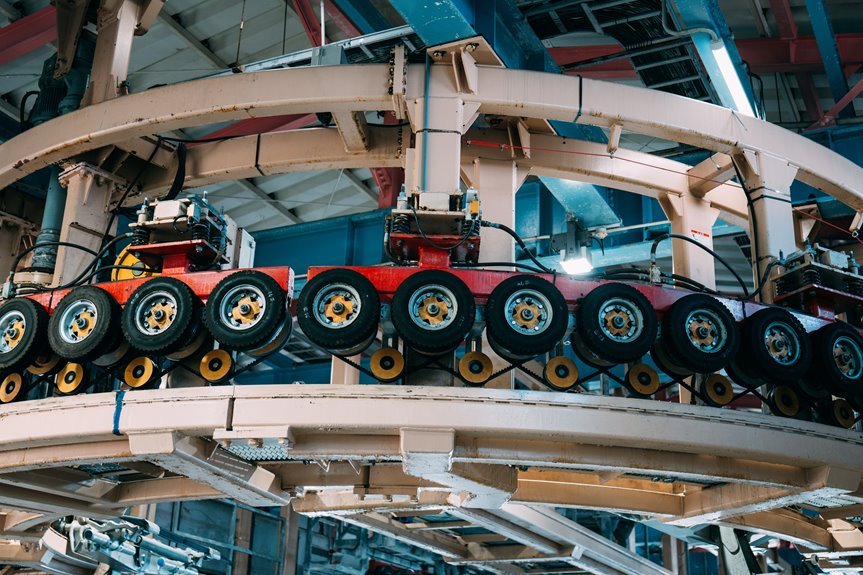
Downtime in manufacturing is any period when a line or critical machine cannot operate as planned, whether due to failures or intentional pauses. It should be defined clearly as planned vs unplanned, with durations, causes, and frequency tracked in real time. A data-driven, process-oriented approach targets root causes and bottlenecks, minimizing variability that drives gaps. The goal is actionable improvements and repeatable practices that sustain gains, leaving the next question to be answered rather than resolved.
What Counts as Downtime in Manufacturing
Downtime in manufacturing is any period when a production line or critical equipment is unavailable for planned or unplanned operation, directly reducing output capacity. This definition guides accountability and optimization; it distinguishes intentional pauses from failures. Unplanned maintenance and energy interrupts are core contributors. Data-driven tracking quantifies durations, causes, and frequency, enabling process improvements, preventive scheduling, and freedom to reallocate resources toward higher-value, uninterrupted production.
How to Measure Downtime Without Data Overload
Measuring downtime without data overload requires a lean, structured approach that captures only essential signals. The method prioritizes traceable metrics, clear definitions, and real-time dashboards to illuminate downstream bottlenecks and throughput gaps. Data collection targets actionable insights, enabling proactive maintenance decisions, swift anomaly detection, and continuous improvement loops. Focus remains on process stability, lead-time reduction, and optimization of asset utilization.
Common Sources of Variability That Drive Downtime
Common sources of variability that drive downtime arise from mismatches between demand and capacity, process variability, and upstream dependencies. Data-driven analysis reveals how unplanned events and shift handoffs fragment workflows, reducing cycle predictability.
Translating Downtime Data Into Actionable Improvements
Operational teams translate downtime data into targeted improvements by structuring insights around root causes, variability drivers, and measurable outcomes. The translation process formats breakdown causes into actionable metrics, prioritizing high-impact improvements.
Data-driven analyses expose operator fatigue patterns and equipment interactions, enabling preemptive maintenance schedules and workflow refinements.
Clear targets align teams, track progress, and sustain gains through disciplined, iterative optimization without ambiguity or unnecessary steps.
Practical Steps to Reduce Downtime Today and Sustain Gains
Practical steps to reduce downtime today and sustain gains begin with a disciplined, data-driven prioritization of actionable interventions. The approach emphasizes process mapping to reveal flow inefficiencies and constraint analysis to identify bottlenecks. Systematic testing follows, enabling rapid, measurable adjustments. Documentation standardizes lessons learned, while ongoing metrics tracking sustains gains through disciplined review, correction, and scalable, repeatable improvements across the production line.
Frequently Asked Questions
How Do You Prioritize Downtime Actions Under Competing Production Goals?
The evaluation prioritizes downtime actions by analyzing impact on throughput and quality, aligning with competing goals. It uses data-driven criteria, optimization models, and risk assessments to balance uptime, output, and flexibility, supporting a freedom-seeking decision-maker.
What Is the True Cost of Hidden Downtime Events?
Hidden downtime, the true cost, stems from unobserved failures and production pauses; cost drivers include throughput loss, overtime, scrap, and setup delays. Data-driven analysis reveals optimization opportunities, empowering operators to reduce variability and sustain freedom through managed downtime.
Which Metrics Matter Most for Frontline Operators?
Frontline operators should prioritize Equipment reliability, Operator training, Downtime tracking, and Visual management. A single data-driven improvement reveals the most impactful metrics; process discipline unlocks freedom, optimizing performance, reducing waste, and empowering teams to act with confidence.
How Can Downtime Data Inform Maintenance Frequency Decisions?
Downtime data informs maintenance frequency by revealing failure patterns and optimal intervals; it guides downtime actions while balancing competing production goals, delivering a data-driven, process-oriented optimization framework that respects operator autonomy and continuous improvement across workflows.
What Organizational Changes Boost Downtime Improvement Sustainability?
Organizational culture and cross functional collaboration underpin sustainable downtime improvements, enabling data-driven accountability, standardized processes, and continuous feedback loops that align goals, metrics, and ownership; this freedom-friendly, optimization-focused approach leverages transparent dashboards to sustain gains.
Conclusion
Downtime is not a mystery; it’s a definable, trackable signal that reveals process friction. By separating planned from unplanned stops and timestamping duration, causes, and frequency, teams reveal bottlenecks rather than excuses. The data should drive targeted improvements, not generate dashboards for vanity. In the end, relentless measurement and disciplined execution quietly outperform heroic, last-minute fixes. Irony lies in assuming uptime happens by luck—real gains arrive when data, rigor, and repeatable practices converge.