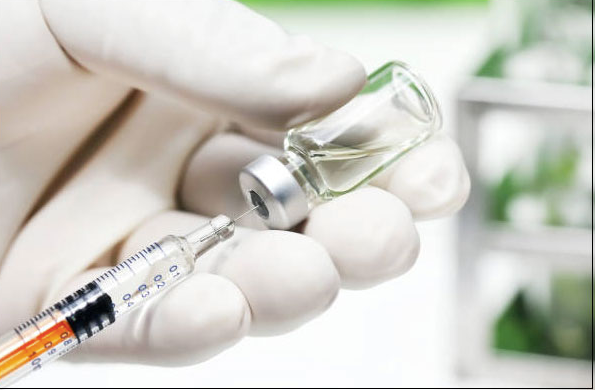
Selecting the correct syringe needle sizes is crucial in healthcare for safe and effective medication administration, fluid withdrawal, and other clinical procedures. Proper needle selection ensures patient comfort, accurate dosing, and minimal complications.
What Are Syringe Needle Sizes?
Syringe needle sizes refer to the diameter and length of the needle used with a syringe. The diameter is measured in gauge, and the length is measured in inches or millimeters. Choosing the right size depends on the patient, type of medication, and route of administration.
Components Affecting Needle Selection
- Gauge: Determines the thickness of the needle; higher gauge = thinner needle.
- Length: Determines how deep the needle penetrates into tissues.
- Tip Type: Includes standard, blunt, or specialized tips for specific procedures.
- Compatibility: Ensures proper fit with the syringe type (e.g., Luer lock, catheter tip).
For detailed information, healthcare professionals can consult syringe needle sizes resources.
Common Syringe Needle Sizes
Small-Gauge Needles (25G – 30G)
- Used for subcutaneous injections, insulin, and pediatric patients.
- Minimal pain and tissue damage.
Medium-Gauge Needles (21G – 24G)
- Suitable for intramuscular injections and general-purpose medication administration.
Large-Gauge Needles (18G – 20G)
- Used for rapid fluid administration, blood donation, or drawing viscous fluids.
Specialized Needles
- Catheter-tip, blunt-tip, and long needles for enteral feeding, irrigation, or specialized procedures.
See also: How Ksalol 1mg Fits into Balanced Anxiety Management Not Long-Term Reliance?
Applications of Syringe Needle Sizes
- Medication Administration: Ensures precise delivery and reduces tissue trauma.
- Blood Withdrawal: Appropriate gauge ensures smooth blood flow and minimal discomfort.
- IV Access: Large-gauge needles facilitate rapid fluid administration.
- Subcutaneous and Intramuscular Injections: Correct size prevents pain and tissue damage.
- Laboratory Use: Accurate sampling and transfer of fluids.
Benefits of Understanding Syringe Needle Sizes
- Accuracy: Right needle size ensures proper dosage and fluid administration.
- Patient Safety: Reduces risk of complications and discomfort.
- Efficiency: Enables faster and smoother procedures.
- Versatility: Allows healthcare staff to handle diverse clinical situations effectively.
Proper Handling and Maintenance
- Inspect needles for damage, sterility, and proper gauge before use.
- Use aseptic techniques to prevent infections.
- Match needle size to the patient and procedure requirements.
- Dispose of single-use needles safely according to medical waste protocols.
- Avoid recapping needles to reduce accidental injuries.
Troubleshooting Common Issues
- Pain During Injection: Choose appropriate gauge and needle length.
- Flow Issues: Ensure needle is compatible with fluid viscosity.
- Leakage: Check that the needle is securely attached to the syringe.
- Air Bubbles: Prime the syringe carefully before injection.
FAQs About Syringe Needle Sizes
1. How are syringe needle sizes measured?
Needles are measured by gauge (diameter) and length. Higher gauge means a thinner needle.
2. Why is choosing the correct syringe needle size important?
Proper selection ensures safe, accurate, and comfortable medication or fluid delivery.
3. Where can I find more information about syringe needle sizes?
Healthcare professionals can consult syringe needle sizes resources for charts, specifications, and guidelines.
Conclusion
Understanding syringe needle sizes is critical for safe and effective healthcare practice. Choosing the correct gauge and length ensures accurate medication administration, patient comfort, and successful clinical outcomes. For more detailed guidance, professionals can refer to syringe needle sizes resources.