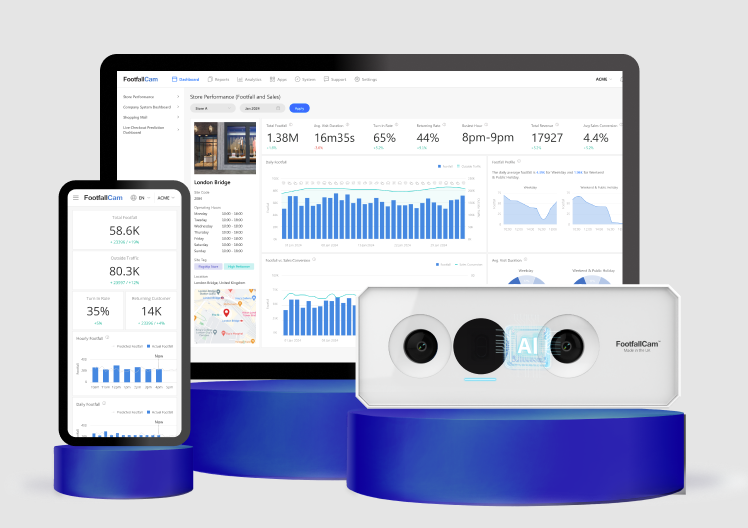
The Structured Identifier Performance Ledger for identifiers 8655232120, 25675647, 643753631, 609429939, 320225518, and 120555555 represents a systematic approach to performance tracking. This methodical framework allows organizations to monitor metrics with precision. By employing structured identifiers, the ledger enhances data reliability and facilitates informed decision-making. However, the implications of such a ledger extend beyond mere tracking, raising questions about the future of data management and operational efficiency.
Importance of Structured Identifiers
Although structured identifiers may often seem like mere technical details, their importance in data management and interoperability cannot be overstated.
Effective data organization relies on identifier standardization, which facilitates seamless communication across diverse systems. By establishing a common framework, these identifiers enhance data integrity, ensuring that information remains accessible and usable.
Consequently, they empower users to navigate complex datasets with freedom and confidence.
Benefits of the Performance Ledger
While many organizations recognize the importance of tracking performance metrics, the implementation of a structured performance ledger offers distinct advantages that enhance data analysis and decision-making.
This system improves data accuracy, facilitating reliable performance tracking. By systematically organizing performance metrics, organizations can derive actionable insights, leading to informed choices that promote efficiency and effectiveness.
Ultimately, this fosters an environment conducive to growth and adaptability.
Use Cases for Key Identifiers
When organizations leverage key identifiers within a structured performance ledger, they unlock numerous applications that enhance operational efficiency and strategic decision-making.
Notably, identifier tracking facilitates real-time monitoring of assets, while robust data validation ensures accuracy and integrity of information.
These use cases empower organizations to streamline processes, improve accountability, and foster a data-driven culture that prioritizes informed decision-making and operational excellence.
Future of Data Management With Structured Identifiers
How might structured identifiers redefine the landscape of data management in the coming years?
Through enhanced data governance, these identifiers facilitate better tracking, validation, and interoperability of information.
Their role in identifier standardization promotes uniformity across diverse systems, empowering organizations to manage data with greater efficiency and accuracy.
This evolution could lead to a more liberated approach to data utilization while maintaining integrity and security.
Conclusion
In conclusion, the implementation of a Structured Identifier Performance Ledger marks a pivotal advancement in data management. As organizations increasingly rely on precise performance metrics, the potential for transformative insights looms large. However, as these identifiers grow in significance, one must ponder: will they become the cornerstone of operational excellence, or will the complexity of data overwhelm their intended purpose? The future remains uncertain, yet the stakes have never been higher for those who dare to embrace this evolving landscape.