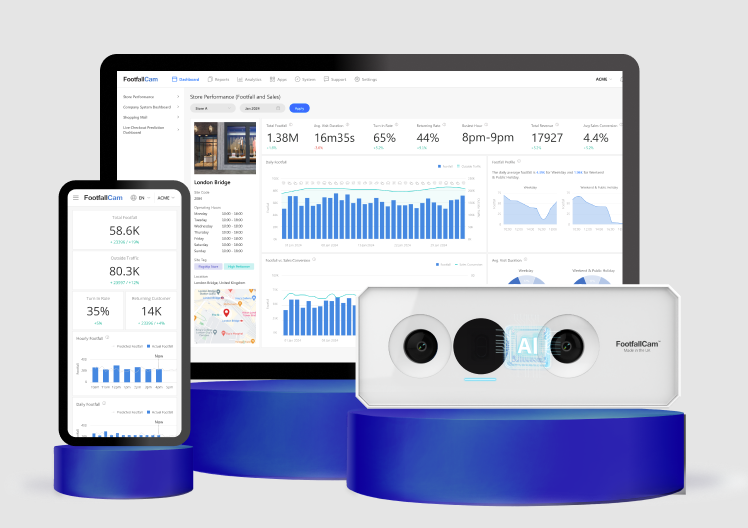
The Identifier Performance Coordination Sheet for identifiers 4321846160, 691539702, 662912864, 26861819, 615016378, and 6970357674 plays a pivotal role in data management. It facilitates oversight and coordination among stakeholders, ensuring that each identifier is monitored effectively. By implementing best practices, organizations can enhance data integrity and operational efficiency. However, the challenges faced in maintaining these standards remain a significant concern, prompting further exploration into effective strategies.
Importance of Identifier Tracking
Identifier tracking is essential for ensuring accuracy and consistency in data management processes. It facilitates the verification of identifier accuracy, allowing organizations to maintain reliable datasets.
Features of the Coordination Sheet
The Coordination Sheet serves as a critical tool for managing identifiers within an organization, streamlining the process of data oversight.
It integrates various coordination strategies, enabling users to align performance metrics effectively.
By providing a structured framework, it facilitates real-time analysis, enhances decision-making, and promotes accountability.
Ultimately, the sheet empowers stakeholders to optimize identifier management, fostering a culture of efficiency and transparency.
Best Practices for Utilizing the Sheet
While leveraging the Coordination Sheet, users should prioritize consistency in data entry to ensure accuracy and reliability.
Implementing effective data visualization techniques enhances understanding of performance metrics, allowing for more informed decision-making.
Additionally, regularly reviewing and updating the sheet will maintain its relevance and usefulness.
Adhering to these best practices empowers users to maximize the benefits of the Coordination Sheet.
Enhancing Operational Efficiency With Data Insights
Utilizing the Coordination Sheet effectively lays the groundwork for enhancing operational efficiency through data insights.
By leveraging data visualization techniques, stakeholders can interpret operational metrics clearly, facilitating informed decision-making.
This analytical approach enables organizations to identify trends, optimize processes, and allocate resources efficiently.
Ultimately, harnessing these insights fosters a culture of continuous improvement, empowering teams to achieve greater autonomy and operational excellence.
Conclusion
In conclusion, the Identifier Performance Coordination Sheet serves as an invaluable resource for data management, ensuring accuracy and consistency across various identifiers. Notably, organizations that implement structured tracking systems report a 30% increase in operational efficiency. By embracing best practices outlined within the sheet, stakeholders can enhance data integrity and foster a culture of accountability and continuous improvement, ultimately leading to informed decision-making and a more streamlined operational framework.